
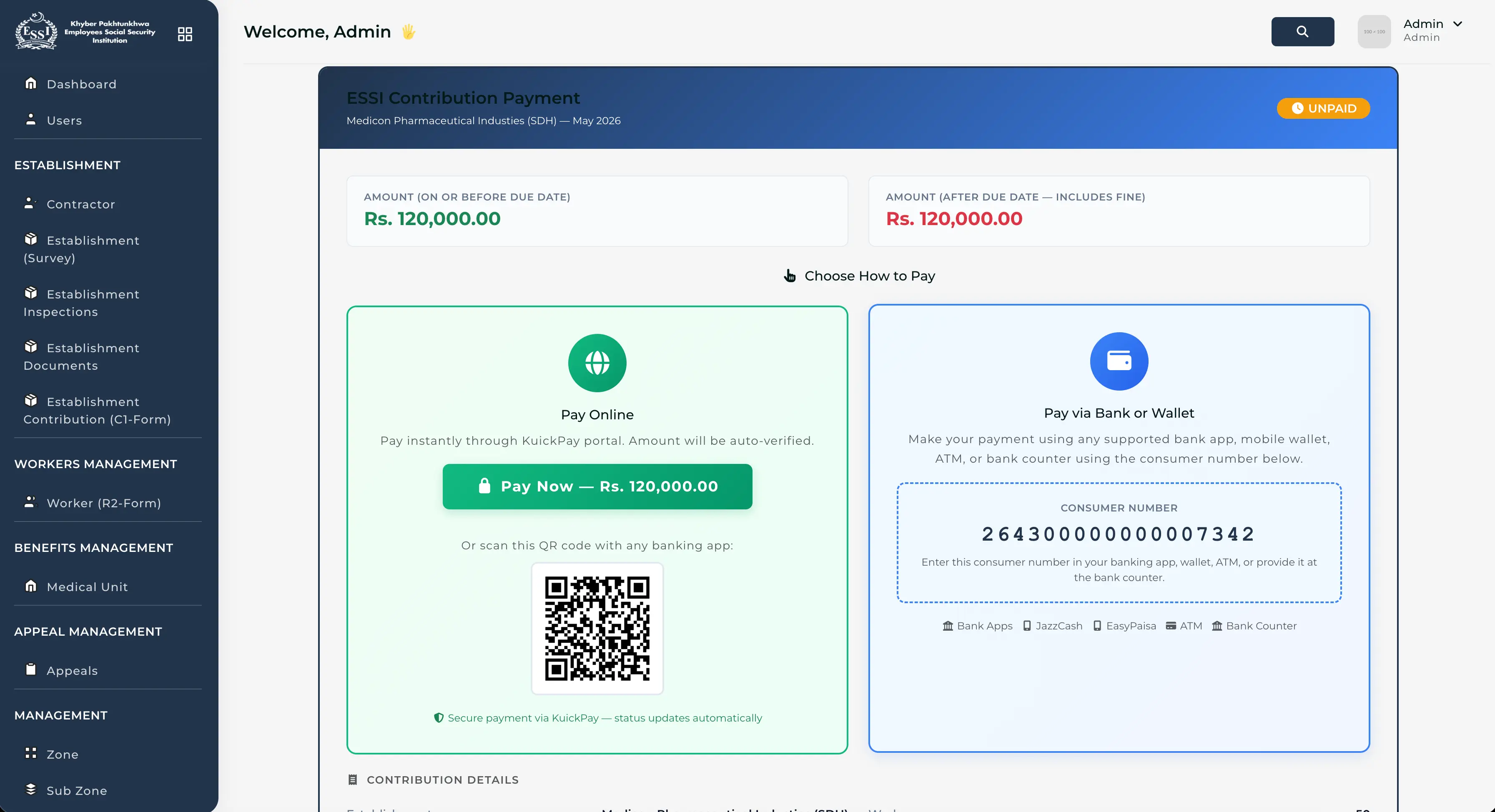
Establishments · Employer registry
Paper files: Employers were registered on paper across scattered zonal offices, so records were duplicated, hard to verify and impossible to search centrally.
KPK labour platform for establishments, workers, RFID cards, contributions and inspections.
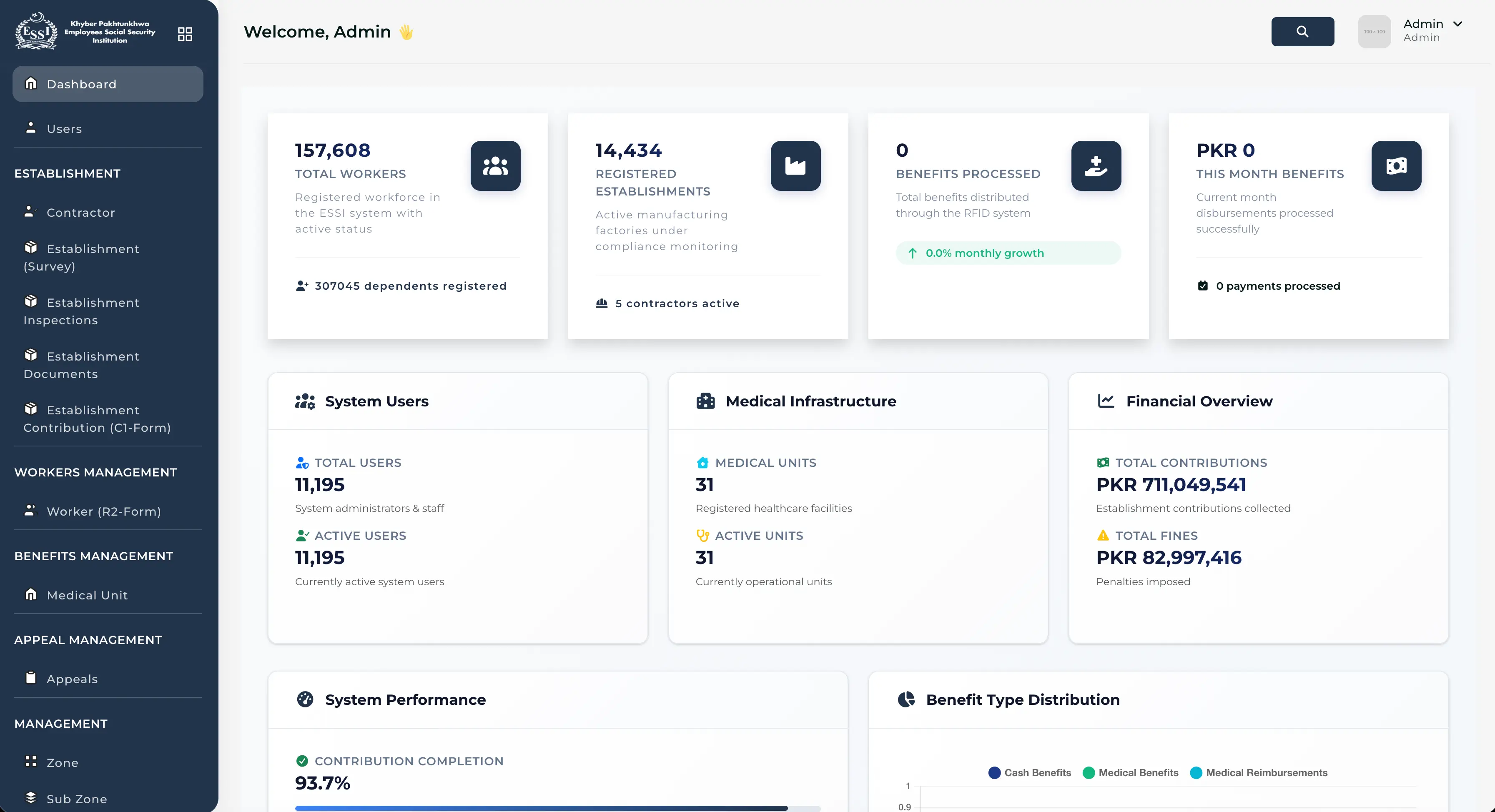
Overview/ 01
One secure platform for establishments, workers, RFID, contributions and appeals.LMIS is a unified Labour Management Information System for the KPK Employees Social Security Institution, bringing establishment registration, worker records, RFID cards, contributions, inspections and appeals into a single secure platform.
Scope & deliverables
System architecture, user roles and workflows across every ESSI module.
A clean, accessible design system tuned for officials and field inspectors.
A fast, responsive portal with real-time dashboards and clear data tables.
Secure APIs, RFID, KuickPay payments and role-based access control.
Challenge & solution
Establishment registration, worker records, contributions and inspections ran on paper across zonal offices, siloed, slow and impossible to audit.
Paper files: Employers were registered on paper across scattered zonal offices, so records were duplicated, hard to verify and impossible to search centrally.
Manual ledgers: Worker records sat in manual ledgers with no link to their employer, dependents or benefits, making any lookup slow and error-prone.
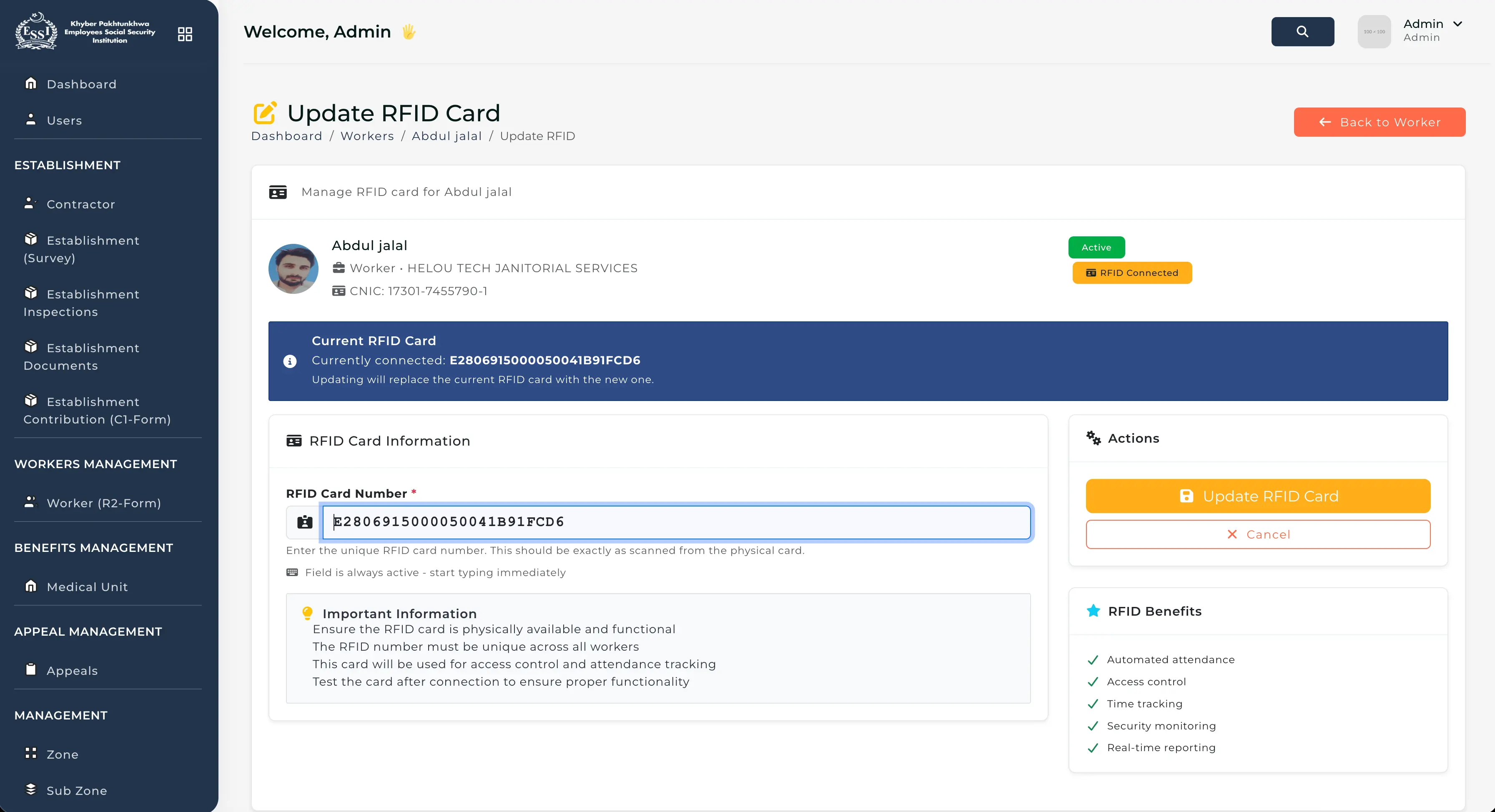
No worker ID: Workers had no reliable physical identity, so verifying entitlement at medical units or offices relied on paperwork and guesswork.
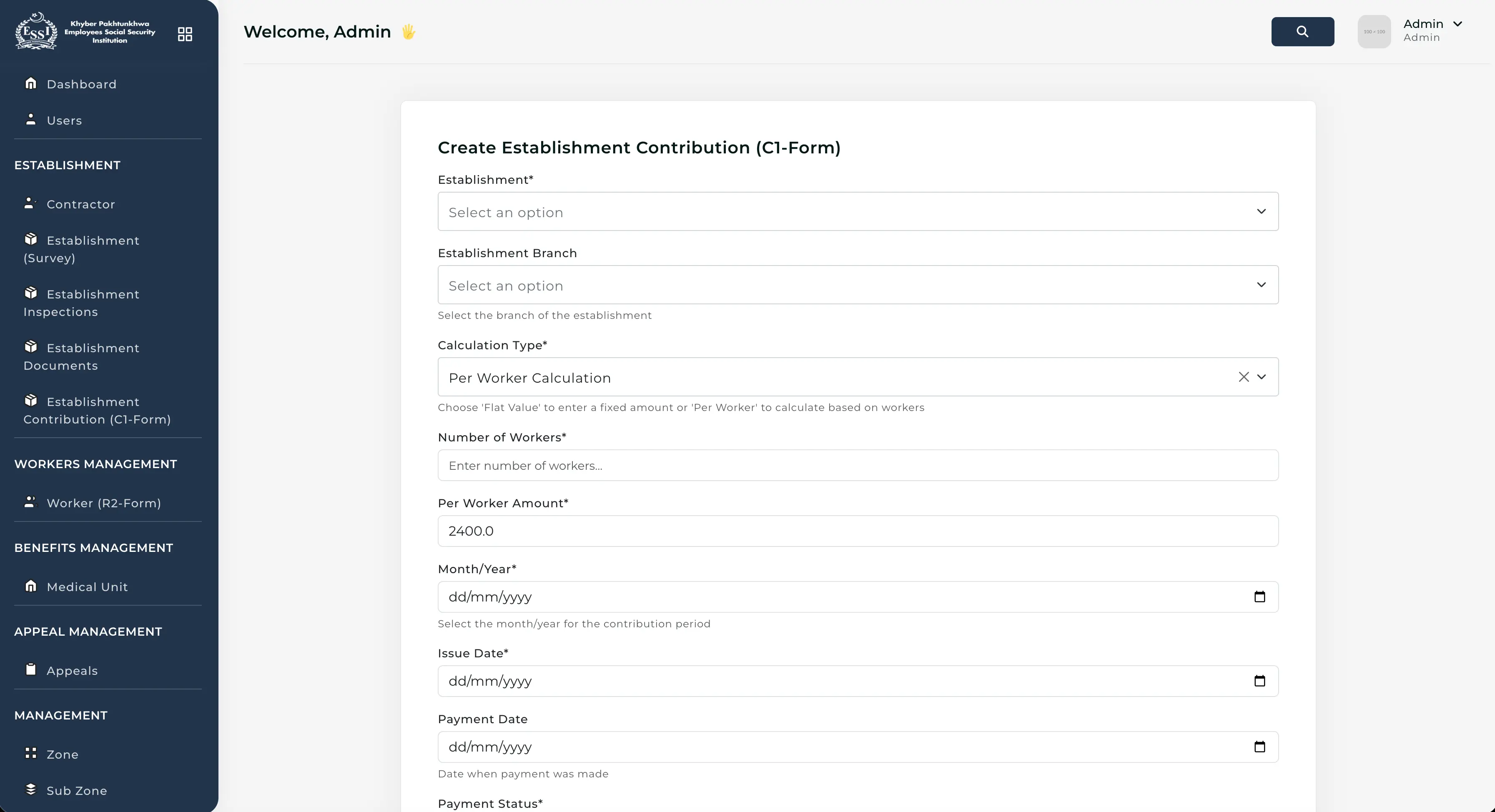
Manual ledgers: Contribution dues were calculated by hand per establishment, causing disputes, missed months and reconciliation headaches at every cycle.
No shared platform
Fragmented systems
Bank queues: Employers had to visit banks and queue to deposit contributions, with slow manual reconciliation and frequent posting delays.
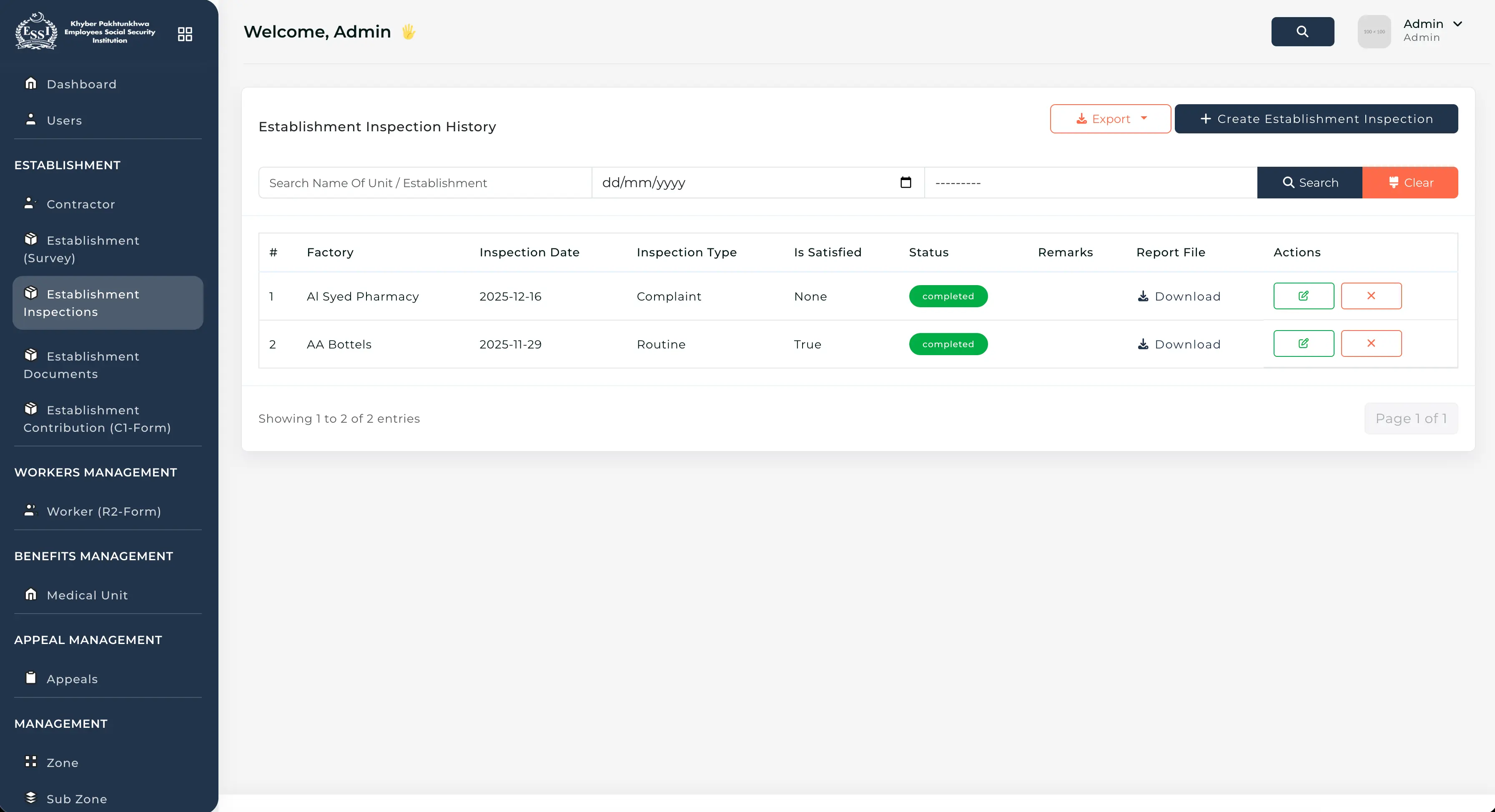
Paper forms: Inspectors filled paper forms in the field, which were lost, delayed or never digitised, leaving compliance gaps untracked.
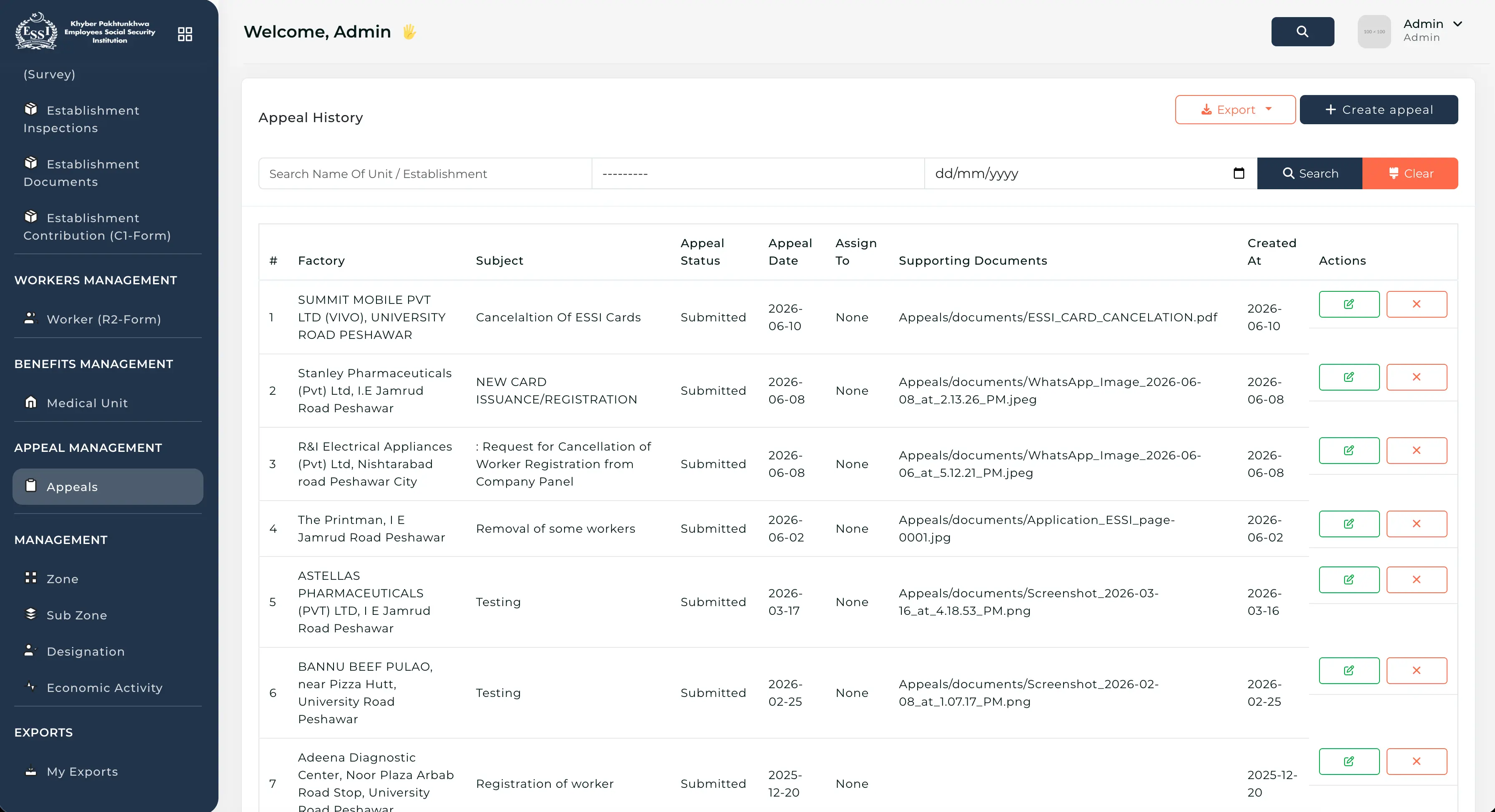
Offline appeals: Establishments raised appeals offline with no tracking, so cases stalled and decisions were hard to trace or audit.
Untracked: Medical facilities and units were tracked informally, so coverage, capacity and active status were never clear at a provincial level.
Register establishments, assign RFID, collect contributions and run inspections in one system.Each module lives in the same secure system, so officials move from registering an establishment to assigning RFID cards, collecting contributions and running inspections without ever switching tools.
Tap a product
Auto-playing. Hover to pause
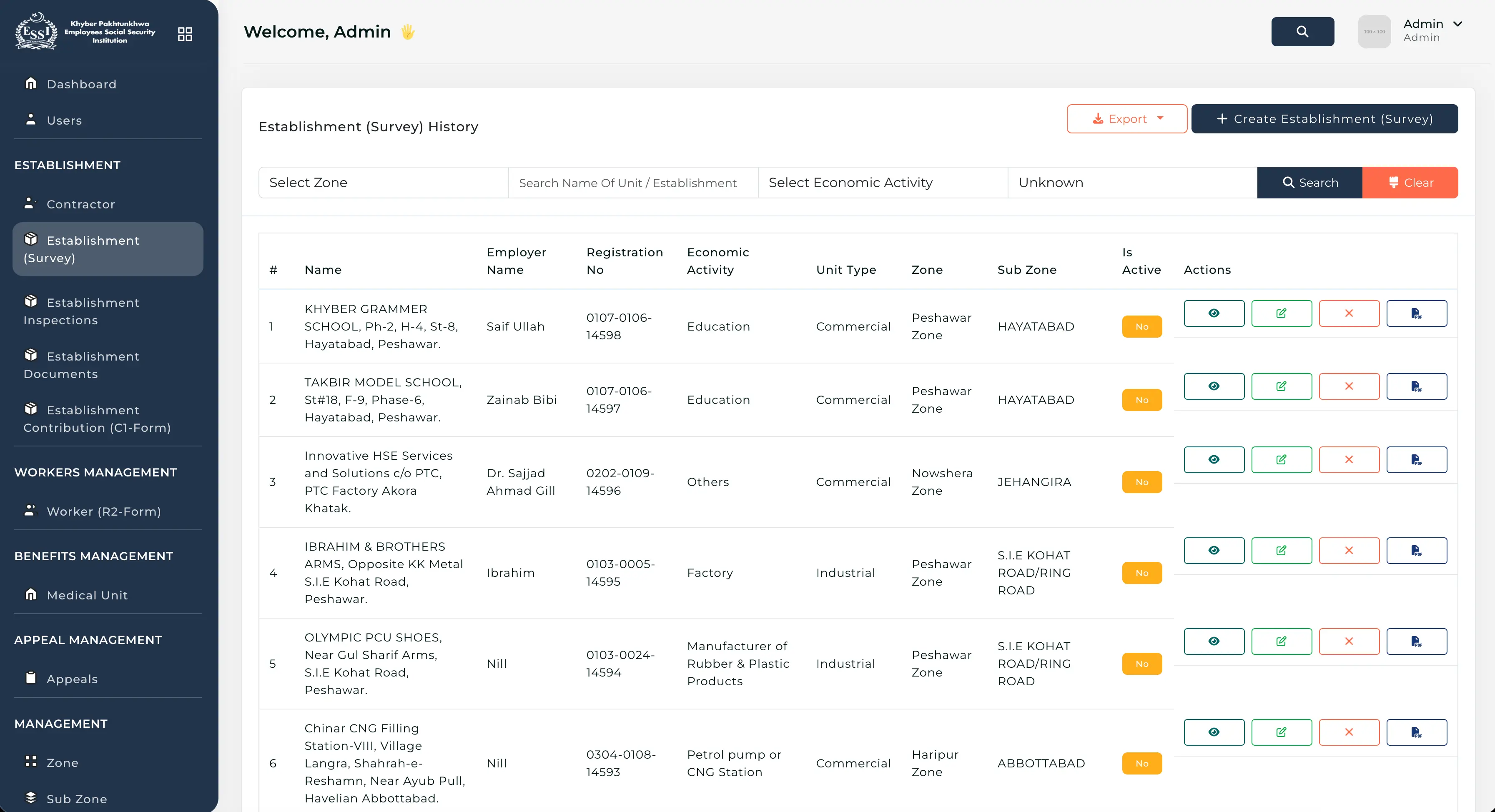
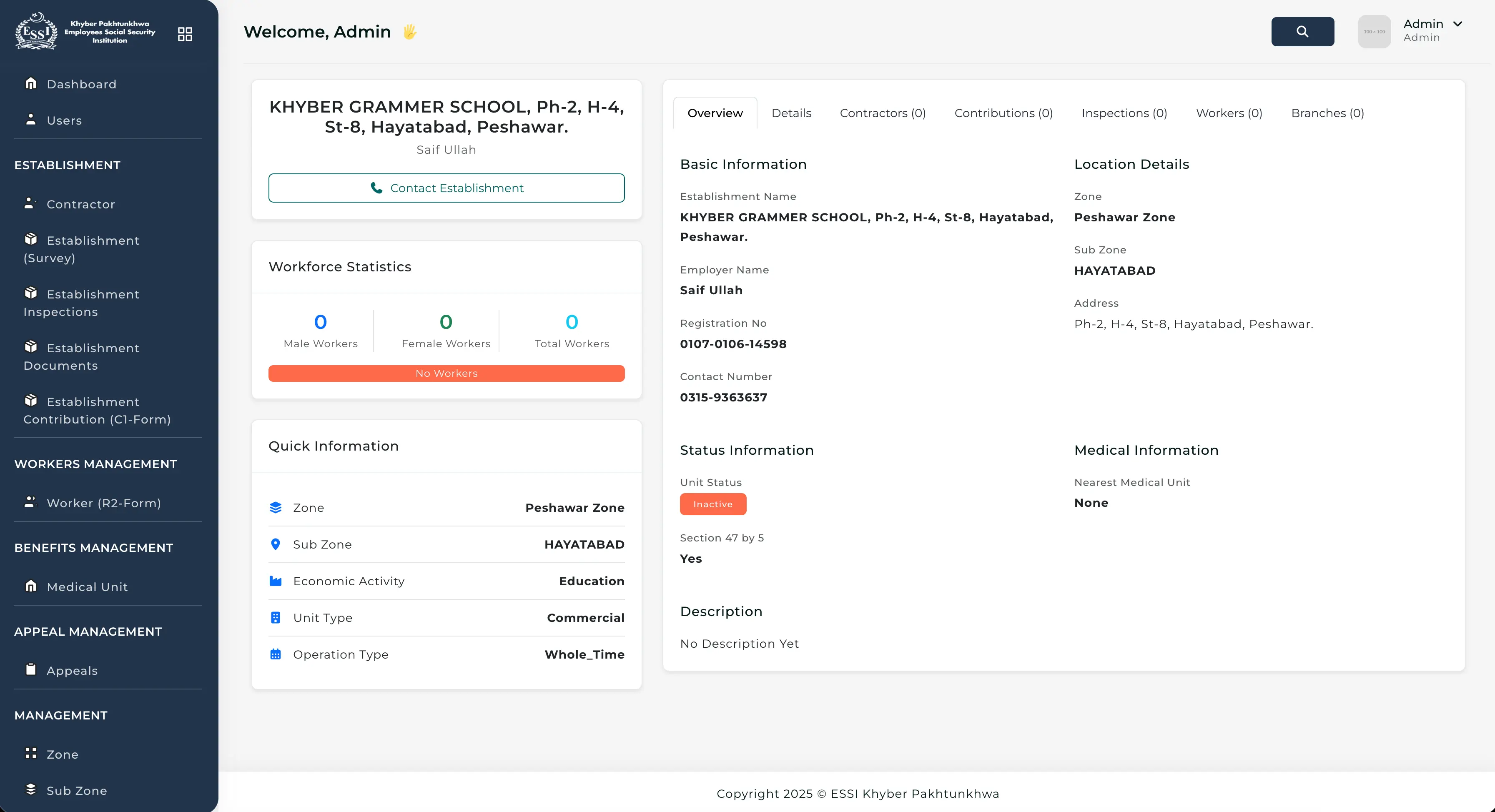
Establishment Registry
A complete registry of establishments with zone, economic activity, contractors and active status, searchable in seconds.
Engineering
Secure GovTech platform for registries, RFID, payments, inspections and appeals.Engineered to run KPK's social-security operations, from establishment and worker registries to RFID, contributions, payments, inspections and appeals on one secure, role-based platform.
Stack
Product Screens
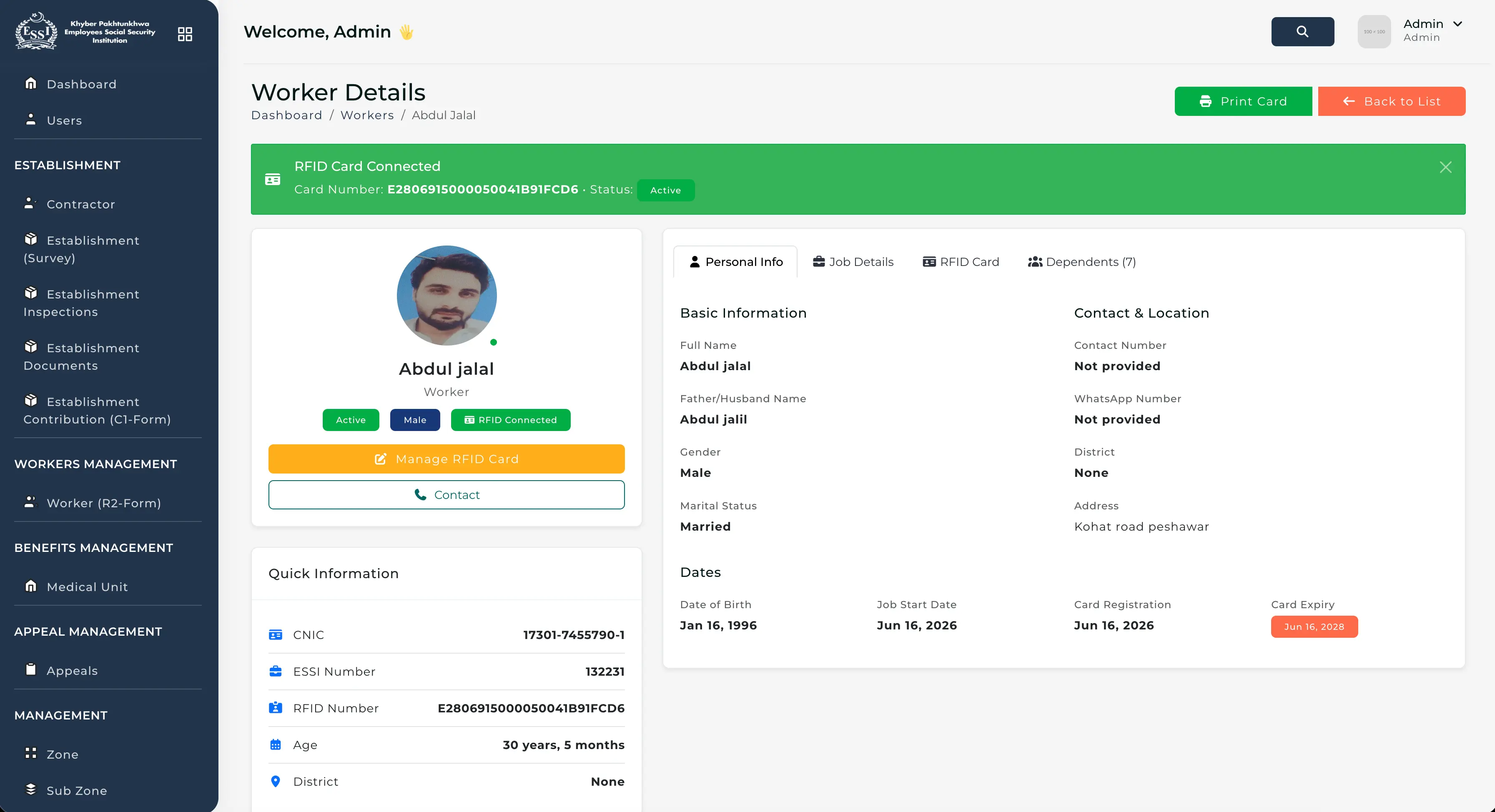
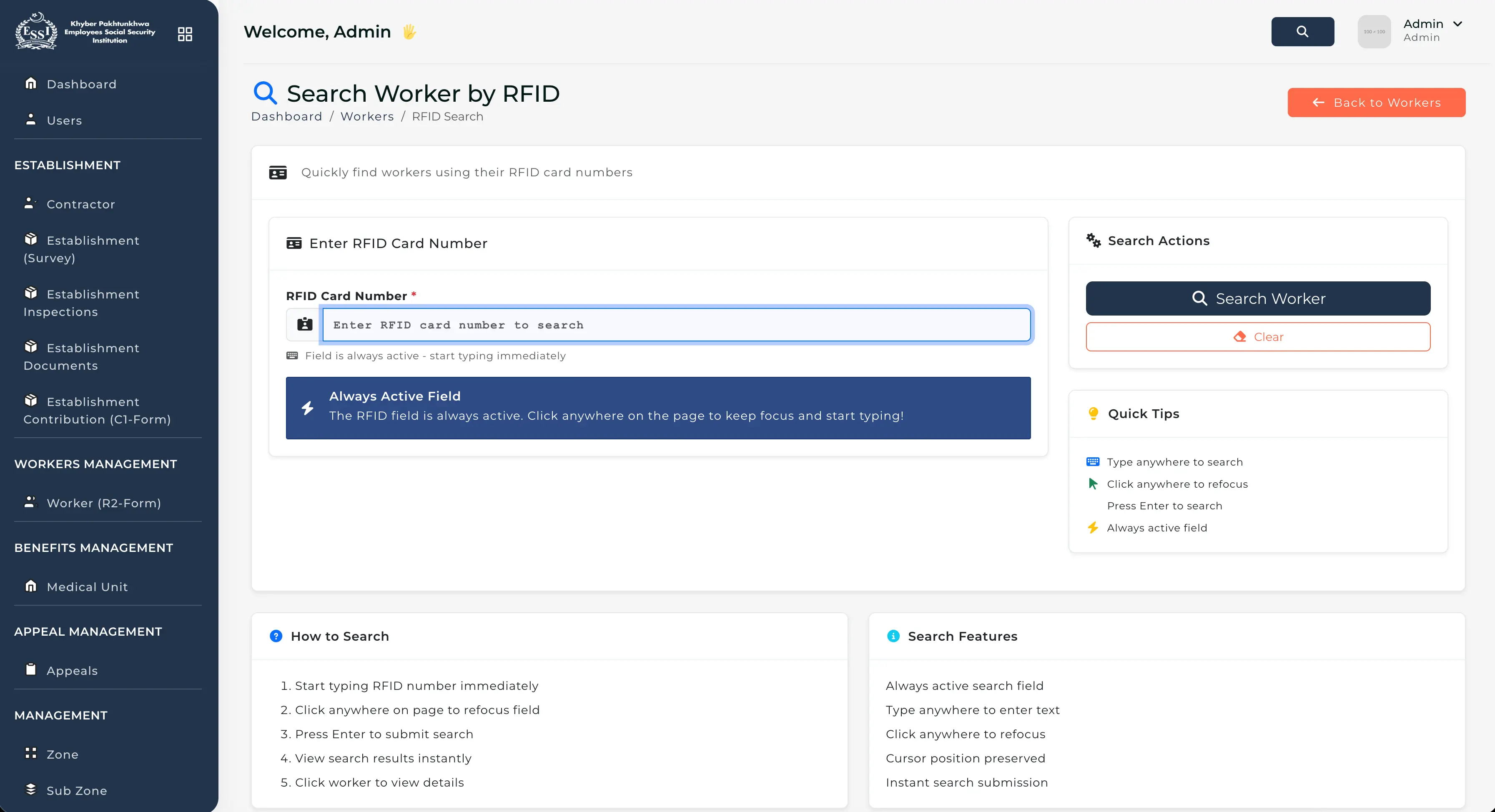
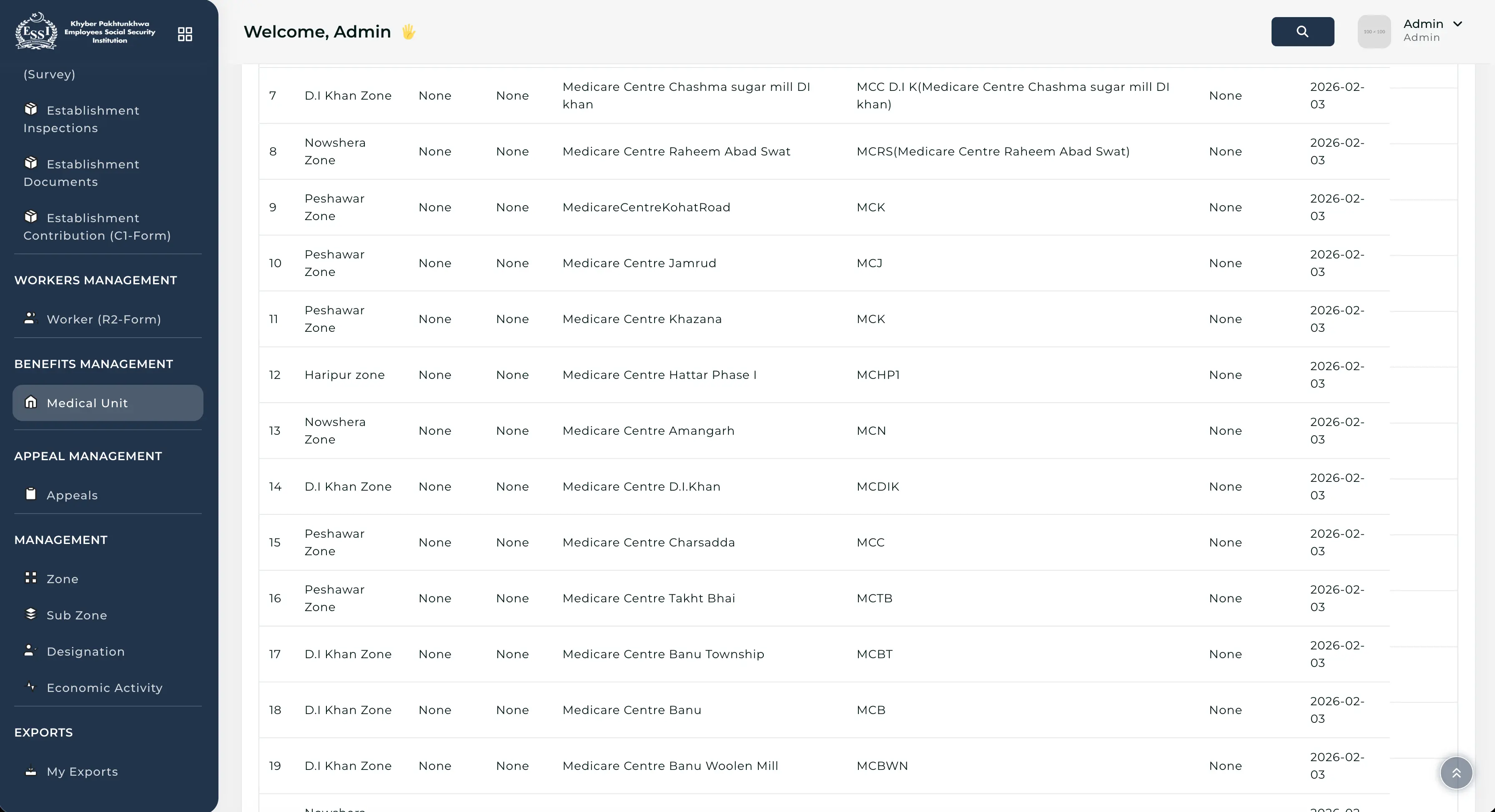
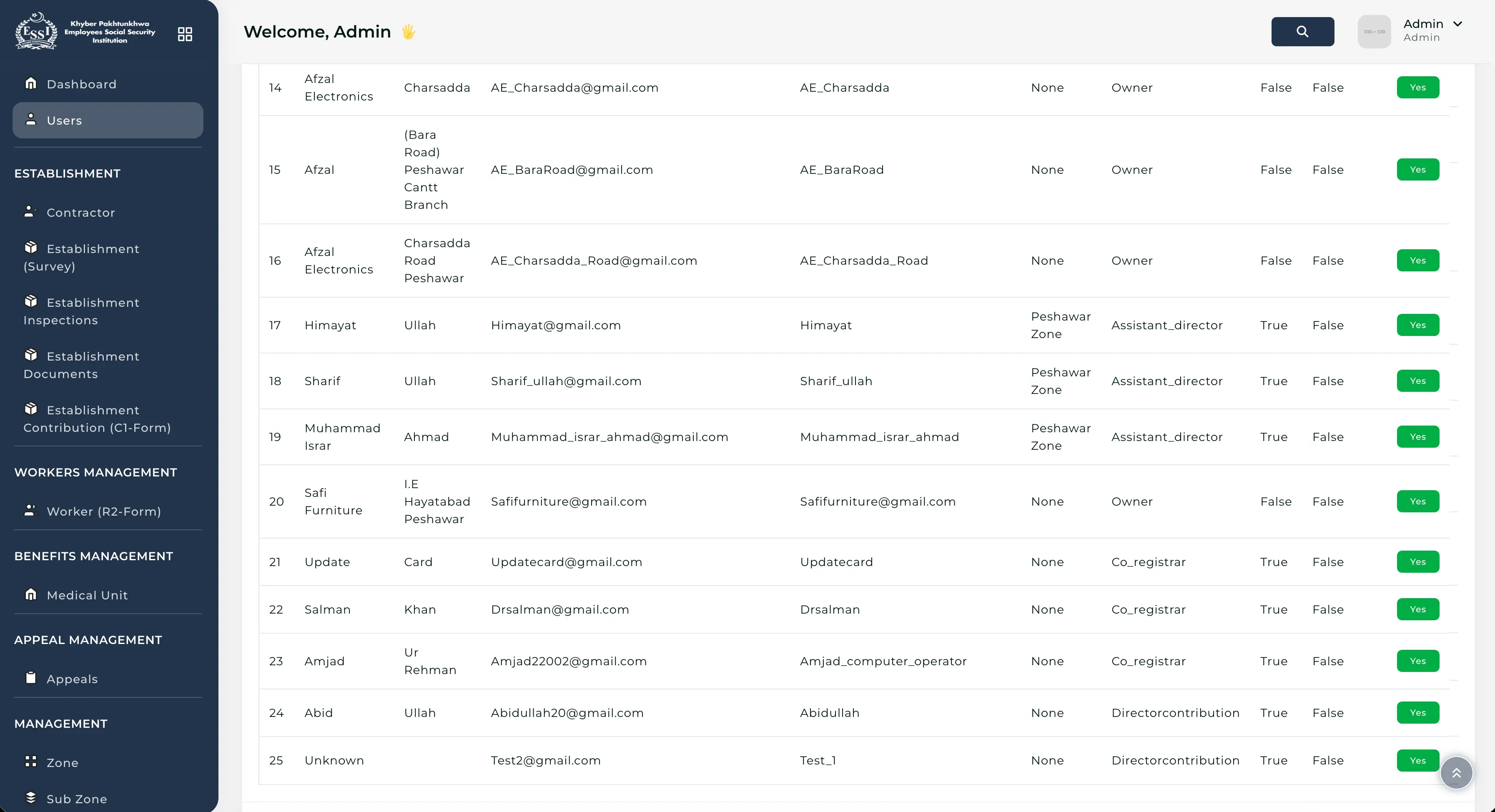
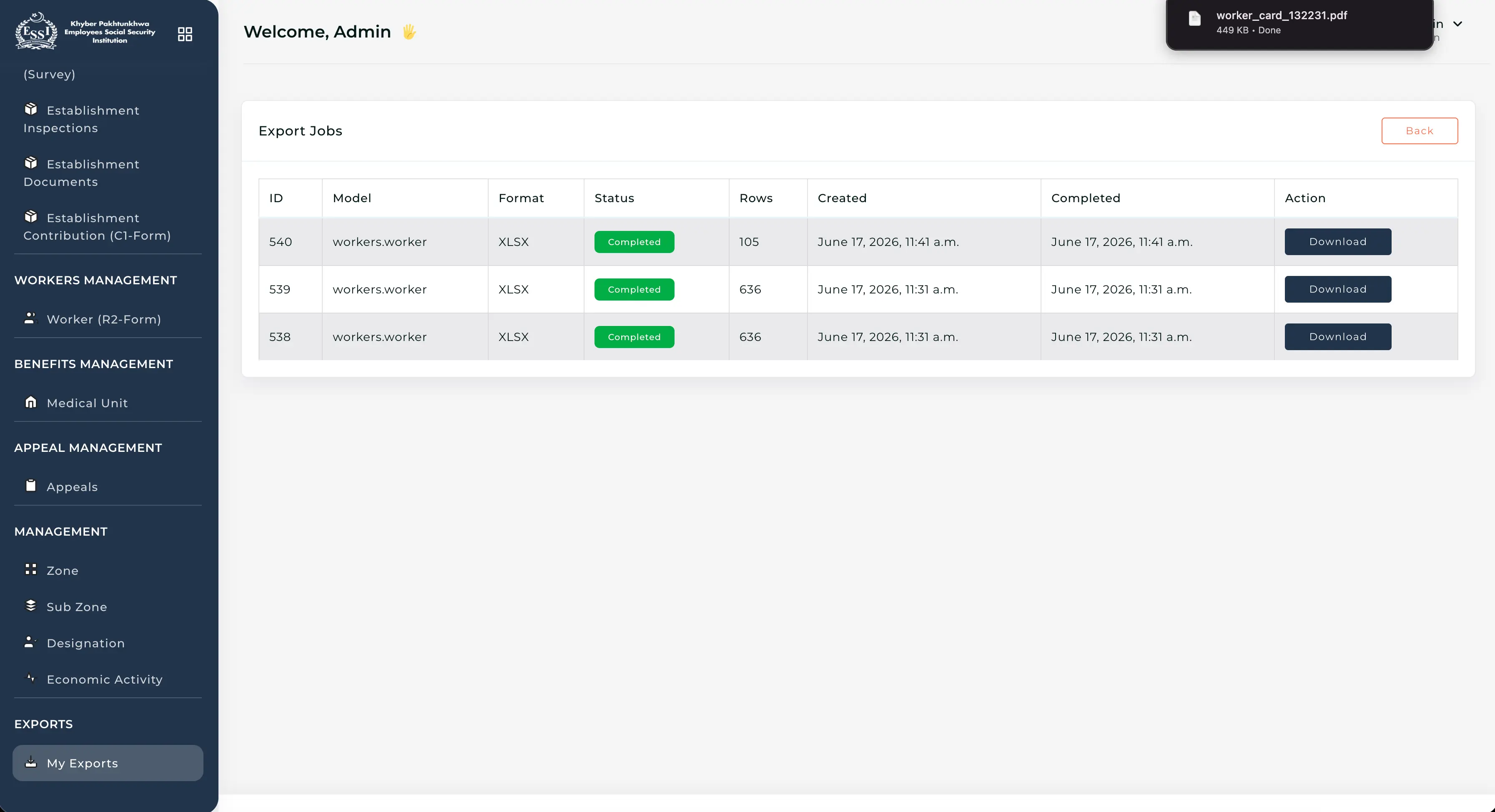
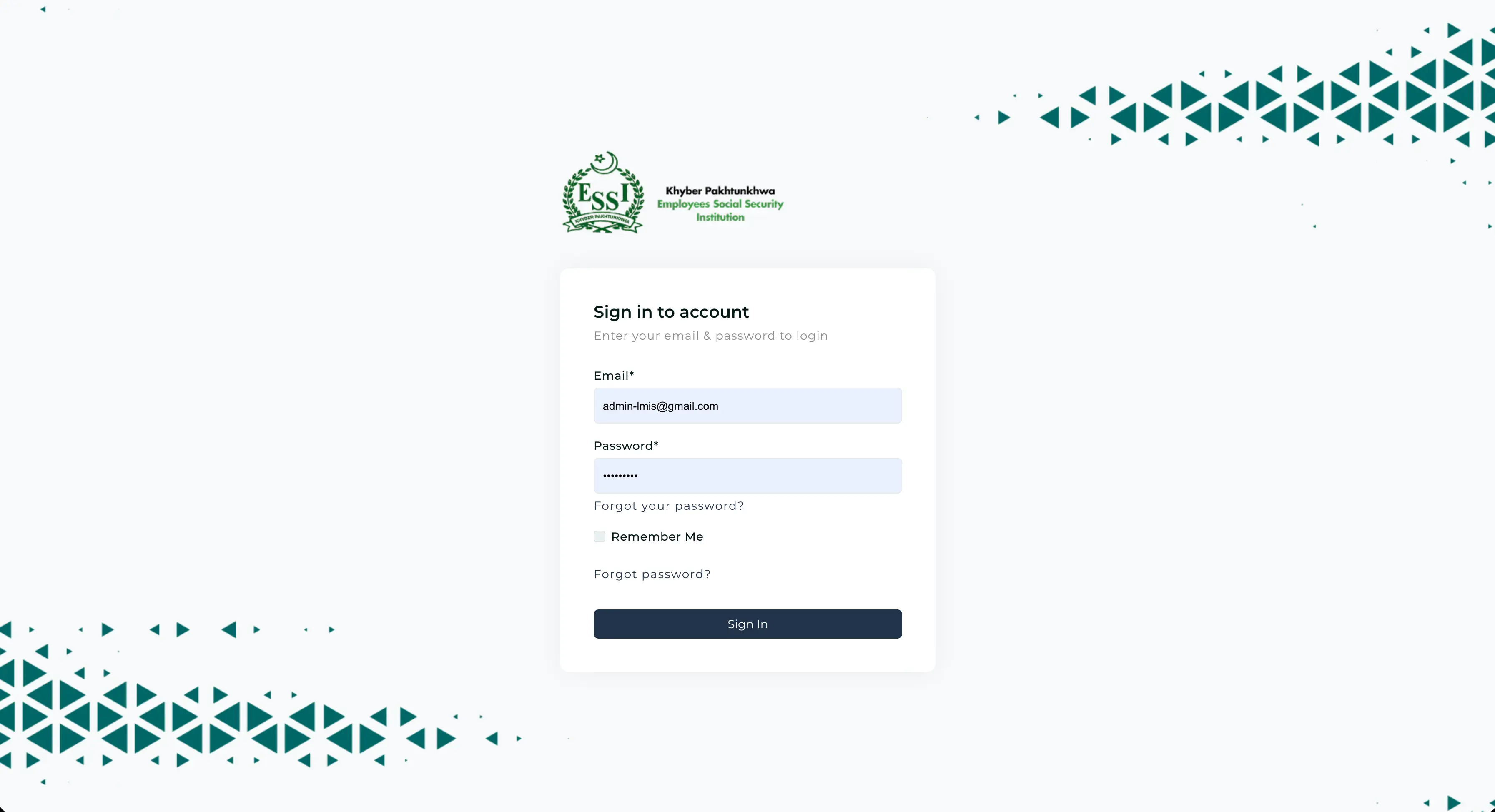
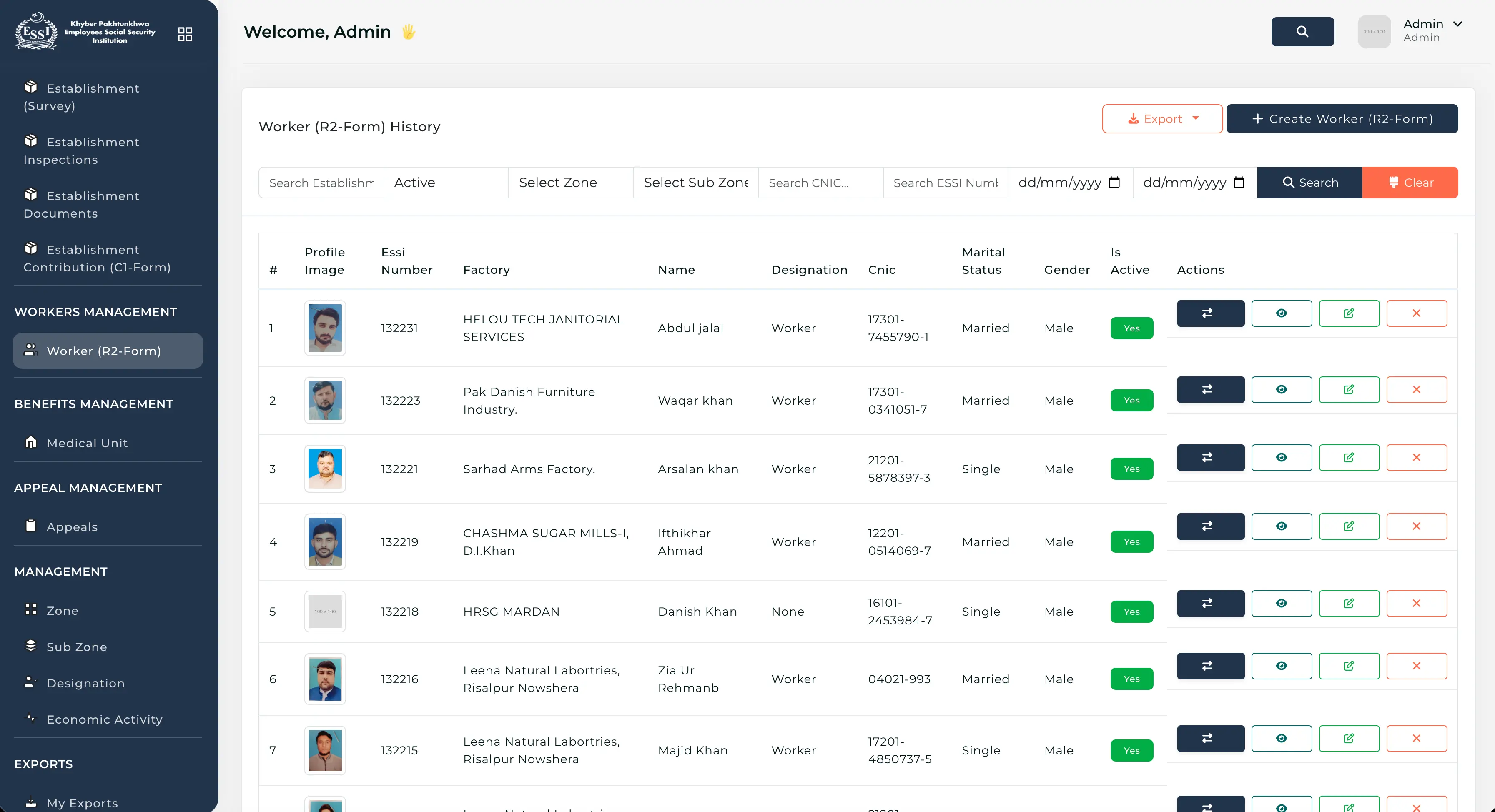
Browse dashboard, establishments, workers, RFID, contributions and appeals.Glide through the live LMIS platform, from the dashboard and establishment registry to RFID cards, contributions, inspections and appeals.
Philosophy
Clear, accessible design for officials, inspectors and registered employers.A user-centered design philosophy focused on clarity, accessibility, and trustworthy government workflows for officials, inspectors and employers alike.
Tokens
One government visual language across every registry screen.A cohesive visual language that keeps every government screen consistent, accessible and trustworthy.
Type samples
More work
Government platforms, healthcare SaaS and AI products from our team.More of what our team designs and ships, from government platforms to healthcare SaaS and AI products.
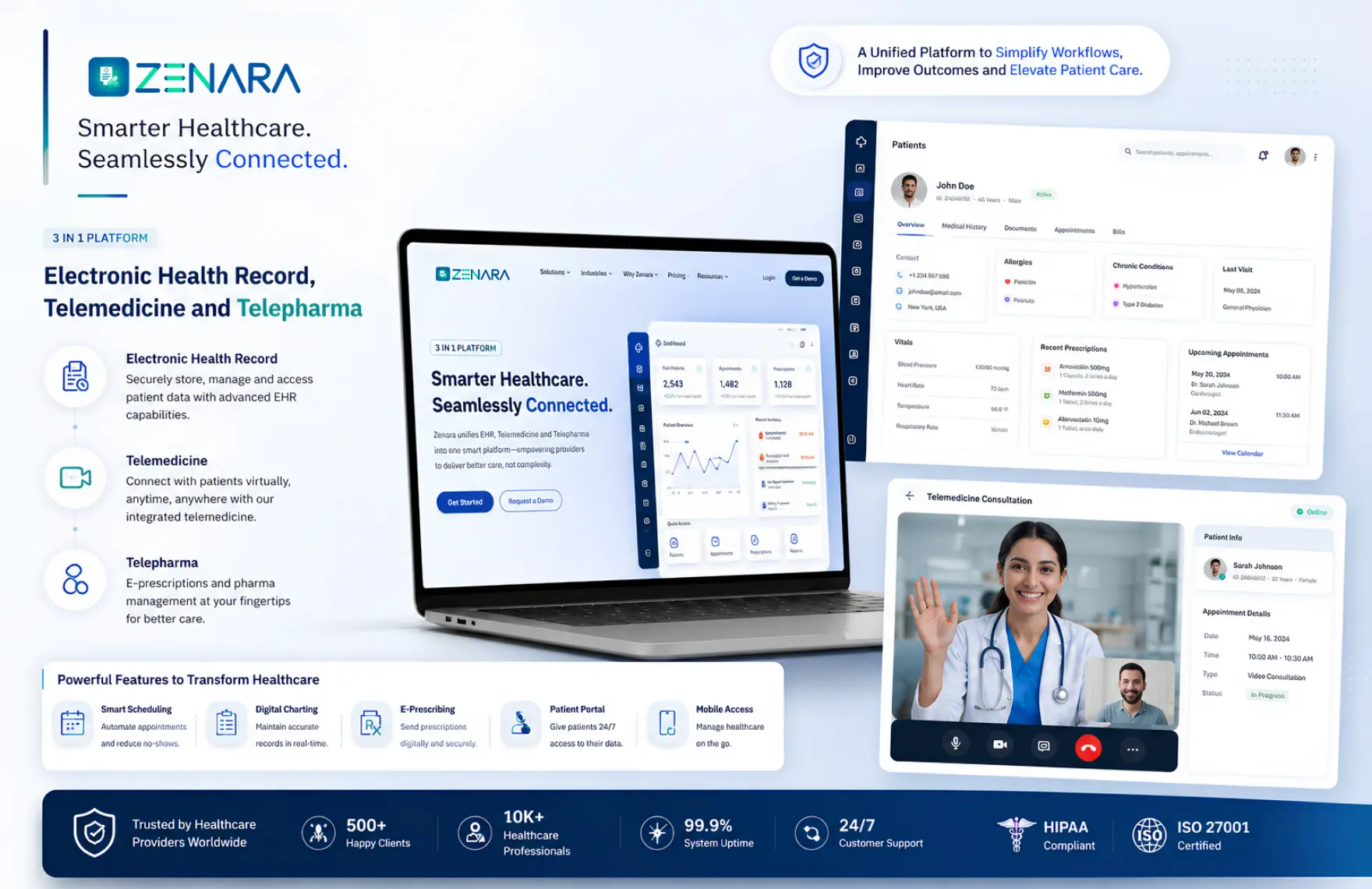 Web Platform2024Zenara Healthcare2024
 AI Platform2023GR1P, AI Fit2023
 Mobile App2024SeedsWild Marketplace2024